







Monitoring Was Never the Problem. Response Was.
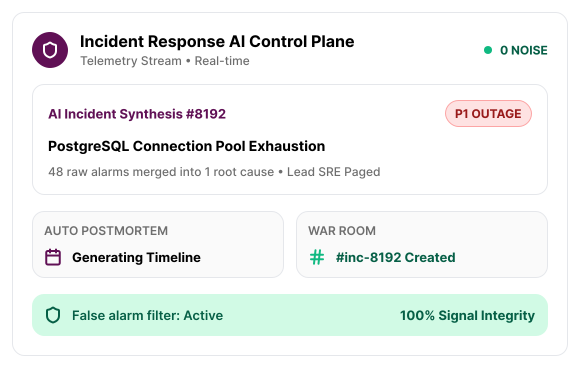
Modern infrastructures don't fail silently. They generate hundreds of alerts. Break the cycle of alert fatigue with automated incident response and full-stack orchestration.
Full-stack visibility and AI retrospectives
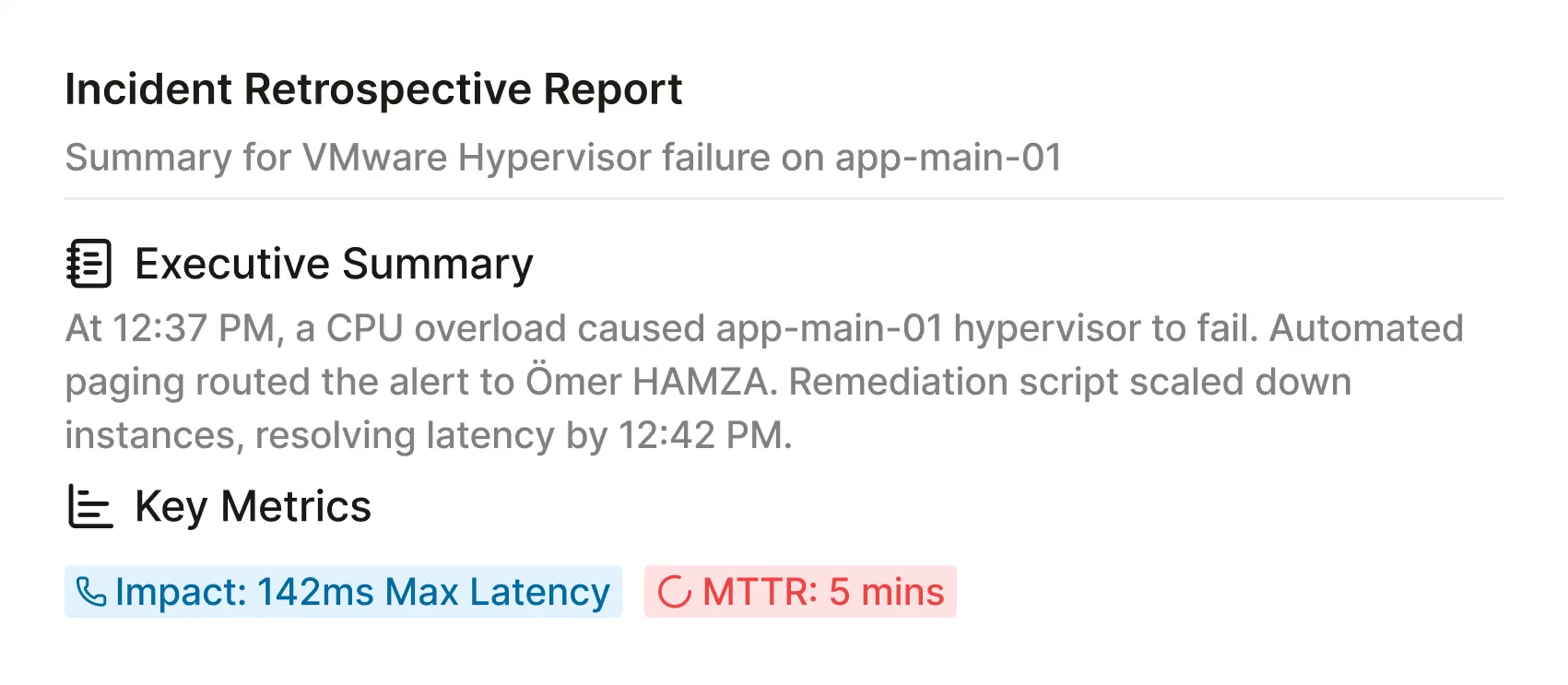
Detect anomalies and map hypervisor-VM relationships automatically. When incidents resolve, ITOC360 compiles your Slack conversations and APM latency charts into a single exportable postmortem report.
Automate incident communications
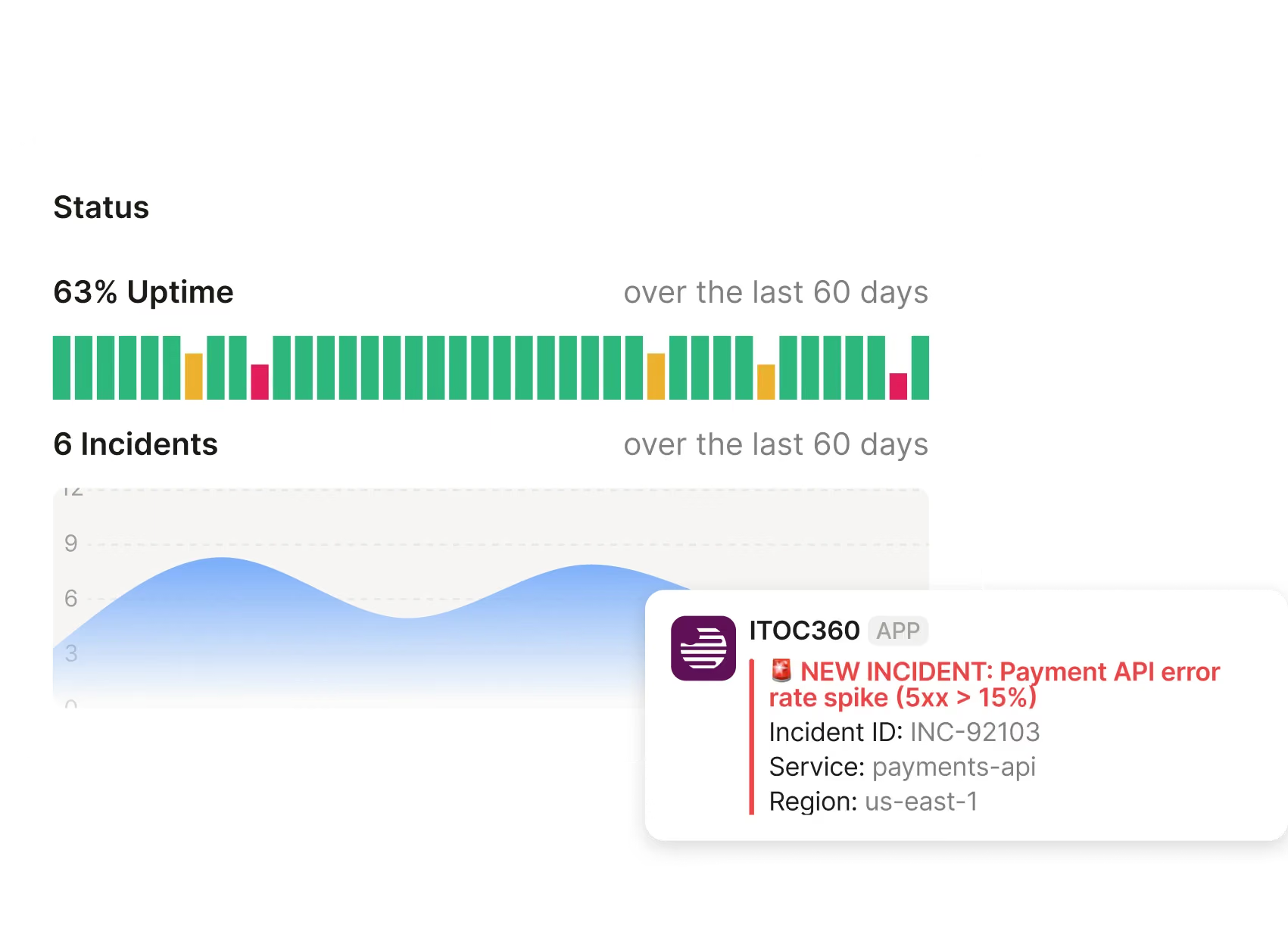
ITOC360 sends out messages to leadership, updates your status pages, and keeps your colleagues in the loop automatically when incidents strike.
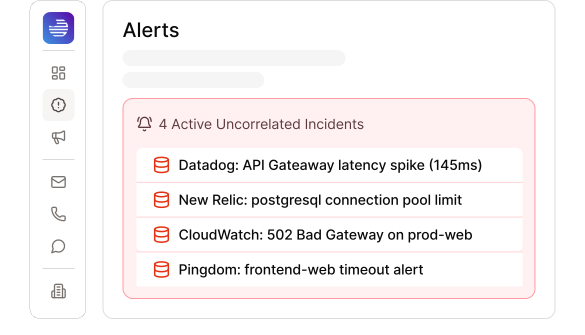
Traditional Chaos
Raw alert floods across separate screens create notification fatigue and extend resolution times.
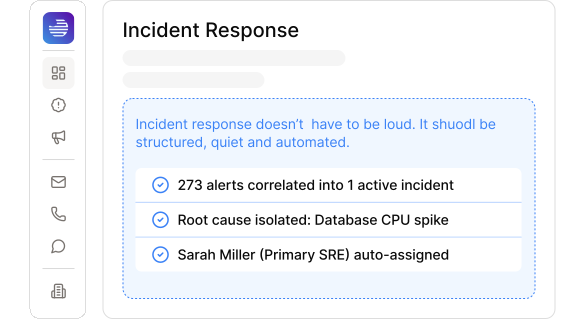
Seamless Execution Flow
A unified stack linking monitoring alerts, AI correlation, auto-assigned ownership, and escalation to resolution.
One Unified Control Plane
Alert Fatigue
Constant manual context switching
Structured Response
Automated, zero-noise incident flow
Complete visibility across hardware, applications, networks, and security as a unified stack.
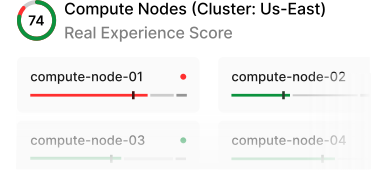
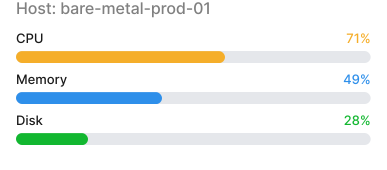
Compute & Platform
Real-time intelligence across compute platforms, from bare-metal to hybrid clouds.
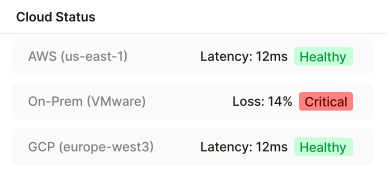
Cloud & Virtual Fabric
Deep visibility into virtual environments and hybrid-cloud fabrics.
Apps & Service Health
End-to-end service health with deep dependency correlation.
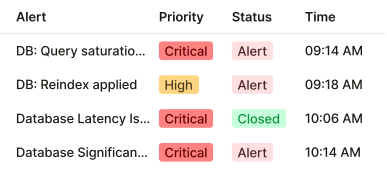
Data & DB Performance
Intelligent monitoring for data-driven backend systems.
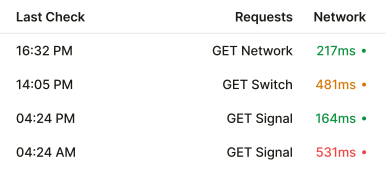
Network & Fabric
End-to-end network intelligence and connectivity patterns.
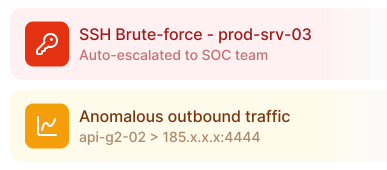
Security Signals
Operational security risks and abnormal behavior indicators.
Loved by engineers who value their sleep
Frequently asked questions
ITOC360 aggregates alerts based on labels, resources, and timestamps using machine learning models to prevent duplicate notifications and group alert storms into a single actionable incident.
Yes. You can define custom shift overrides, holiday rotations, and backup schedules directly within the timezone-aware calendar settings.
ITOC360 supports instant notifications through voice phone calls, SMS, push alerts, Slack, Microsoft Teams, email, and custom Webhooks.